Encouraging Older Individuals to Engage in Regular Exercise Through Evidence-Based Fitness Guidelines
Wiki Article
Staying physically engaged is essential for adults of all ages, but it becomes especially vital as persons age. For elders, regular movement assists in preserving independence, supports flexibility, and improves overall well-being. Well-rounded fitness plans provide older adults with systematic strategies to physical health that address coordination, range of motion, muscle endurance, and stamina. By implementing professionally developed fitness programs, elders can enhance their quality of life while minimizing the chances of injuries, long-term illnesses, and emotional difficulties.
Exercise for aging individuals is not restricted to intense training sessions or heavy fitness sessions. It centers instead on moderate, consistent, and maintainable physical engagement that suits personal fitness conditions. Exercises such as leisure walking, mobility work, chair yoga, and bodyweight exercises aid in preserving range of motion and muscle tone. Cardiovascular exercises like water fitness or indoor biking enhance cardiovascular function, which are key for supporting daily energy and vitality. These physical practices also promote cognitive wellness, as studies have indicated that routine fitness can improve memory, outlook, and mental find more info performance.
Thorough fitness recommendations emphasize a well-rounded strategy to wellness, integrating bodily, psychological, and interpersonal factors of lifestyle. Seniors are advised to ease in and move forward at a steady rate, maintaining safety while reducing strain. Incorporating pre- and post-exercise stretches minimizes injury, while proper fluid intake and meal balance enhance physical activity. Additionally, social exercise settings—such as senior workout groups or fitness meetups—provide opportunities for social interaction, motivation, and mental connection, which are just as vital to overall health.
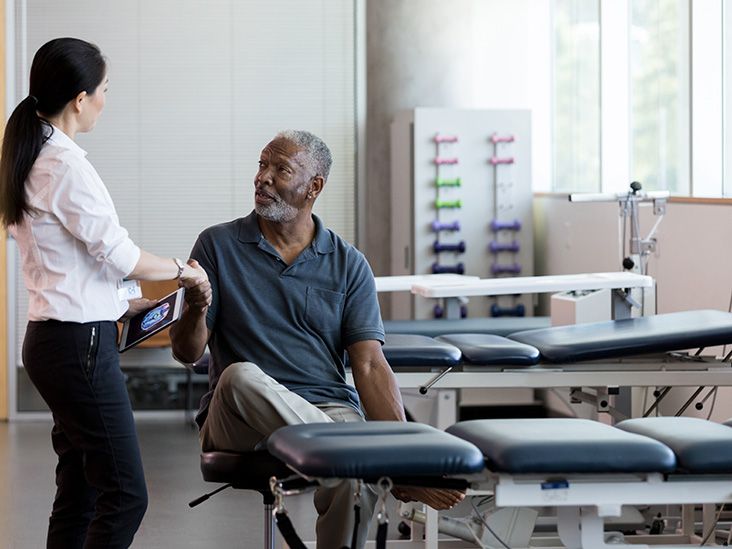
Expert assistance serves a important function in helping aging individuals build tailored exercise plans. Working with physicians, physical therapists, or qualified instructors guarantees that routines are aligned to specific health conditions, fitness levels, and goals. These professionals can suggest safe workout protocols that account for issues such as arthritis, osteoporosis, or aerobic restrictions. Through regular assessment and refinement, exercise plans stay beneficial and enjoyable, encouraging sustained engagement and success.
In conclusion, motivating elders to participate in wellness through structured exercise guidelines creates a community of lifelong movement. When participants are supplied with understanding, confidence, and organized systems, they develop assurance in their strength and appreciate greater independence. Regular exercise boosts not only body health but also focus and well-being. By supporting accessible, professionally structured training systems, societies can help that all participants has the chance to discover here enjoy a active, active, and meaningful life.